

138,000 VETERANS LOST TO SUICIDE SINCE 9/11. THE REASON IS NOT WHAT YOU THINK
For decades, we have treated veteran suicide as a mental health crisis. We were wrong. New research reveals the hidden and most significant root cause is a physical injury to the brain—and it can be treated.

A Silent Epidemic Fueled by a Misunderstanding
Veterans represent only 6% of the U.S. adult population, yet they account for nearly one in five suicides nationwide.
Since 9/11, we have lost over 138,000 veterans to suicide—more than twenty times the number of combat deaths in Iraq and Afghanistan combined.
Despite a staggering $3.7 billion allocated to federal suicide prevention programs, the veteran suicide rate has even surged by 32% since 2008, far outpacing the civilian population.
This is not a failure of will; it is a failure of approach.
The current paradigm is not working because it is focused on the wrong problem.
It's Not a Character Flaw, It's a Physical Injury
The Mac Parkman Foundation is advancing a paradigm shift in veteran healthcare, grounded in irrefutable scientific evidence.
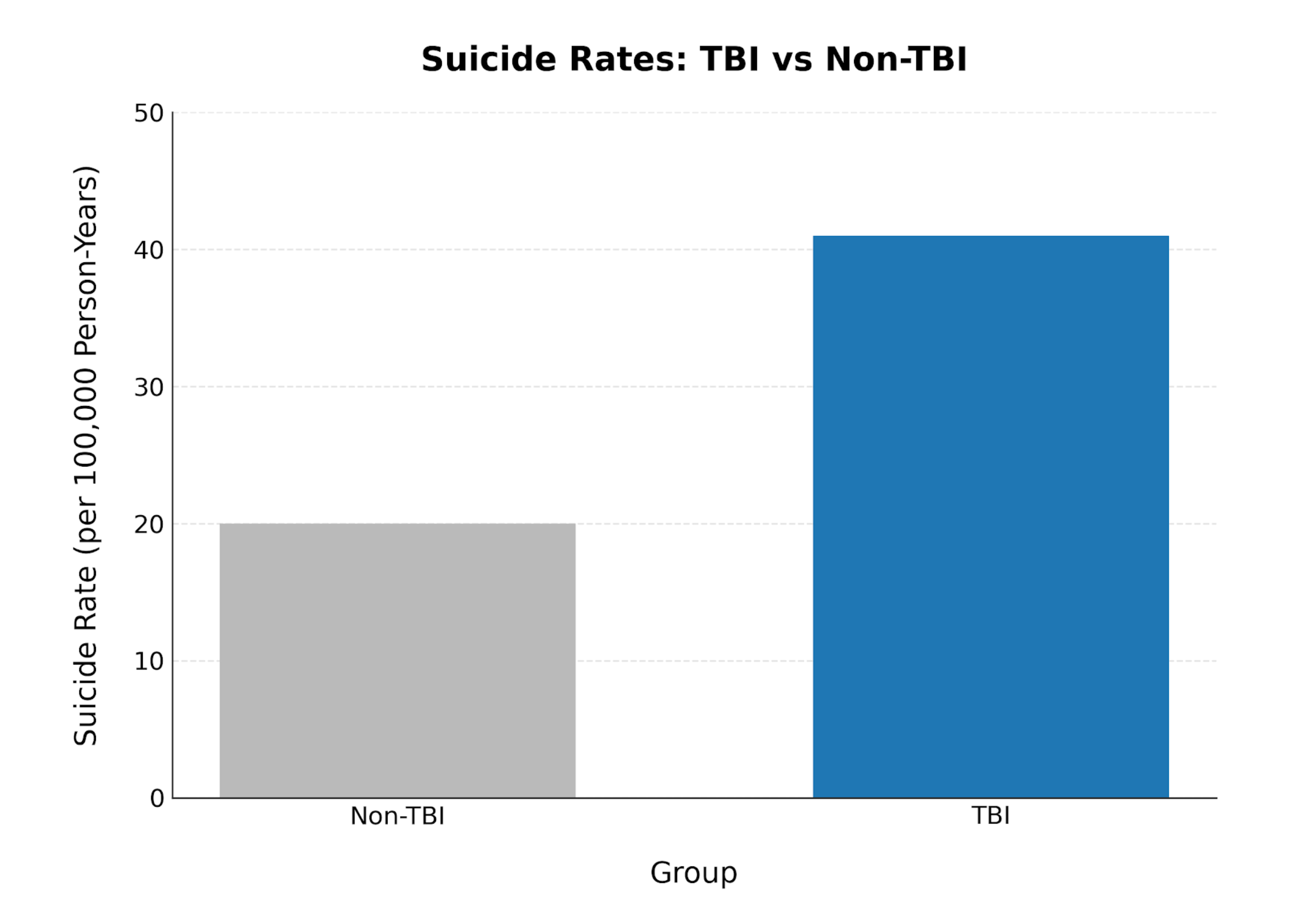
The symptoms we have long labeled as purely psychological—depression, anxiety, insomnia, and suicidal ideation—are often the direct result of physical brain trauma from Repetitive Blast Exposure (RBE) and concussions, impacts sustained during service.
“Mounting evidence shows that traumatic brain injury (TBI) is the underlying physiological injury driving much of what is currently labeled as ‘mental illness’ among Veterans.”
Our Veterans are not broken; their brains are injured. As is the case with most other physical injuries, these wounds can be diagnosed, treated, and healed.
Florida Showed What a Brain-First Approach Can Do
In one year, our pilot with the Florida Department of Veterans' Affairs coordinated 339 veterans into care, trained 140 providers and VSOs, and reported a 60% reduction in sleep disruption among veterans receiving Foundation-delivered treatment.
Veterans coordinated into care
3.4× the goal
Of eligible veterans received treatment
81 of 100 eligible
Sleep disruption
Within 4–6 weeks of treatment